|
|
|
|
|
|
| Your Naukrigulf Guide to steer your career in the hustle. Take a look at our resources to keep you updated on trends in the Gulf. |
|
| Articles |
|
|
|
| Does hustle actually accelerate your career? |
|
Working harder feels like the fastest way to grow.
But not all effort leads to progress. |
|
| Read More → |
|
|
|
| Learning to say no at work |
|
Saying yes builds trust-but it also builds expectations.
Knowing when to push back can change how you're perceived. |
|
| Read More → |
|
|
|
| How to ace both technical and behavioral interviews? |
|
Not all interviews test the same things.
Preparing the same way for both can hold you back. |
|
| Read More → |
|
|
|
| Working longer doesn’t mean working better |
|
Long hours often look like dedication.
But effectiveness is rarely measured by time alone. |
|
| Read More → |
|
|
|
| Virtual interview tips that improve success rates |
|
Virtual interviews are often taken too casually.
A few small changes can significantly improve your chances. |
|
| Read More → |
|
|
|
| Accepting vs declining an offer respectfully |
|
Every offer deserves a thoughtful response.
How you handle it can shape future opportunities. |
|
| Read More → |
|
|
|
| How to stand out without overstepping |
|
Standing out gets noticed-but so does overstepping.
The difference is often subtle. |
|
| Read More → |
|
|
|
| First 6 months at work: mistakes to avoid |
|
Early impressions are formed faster than you think.
Some mistakes are easier to prevent than to fix. |
|
| Read More → |
|
|
|
|
|
|
|
|
|
|
|
| Did you find this content interesting? |
|
|
|
|
|
| Poll Results |
|
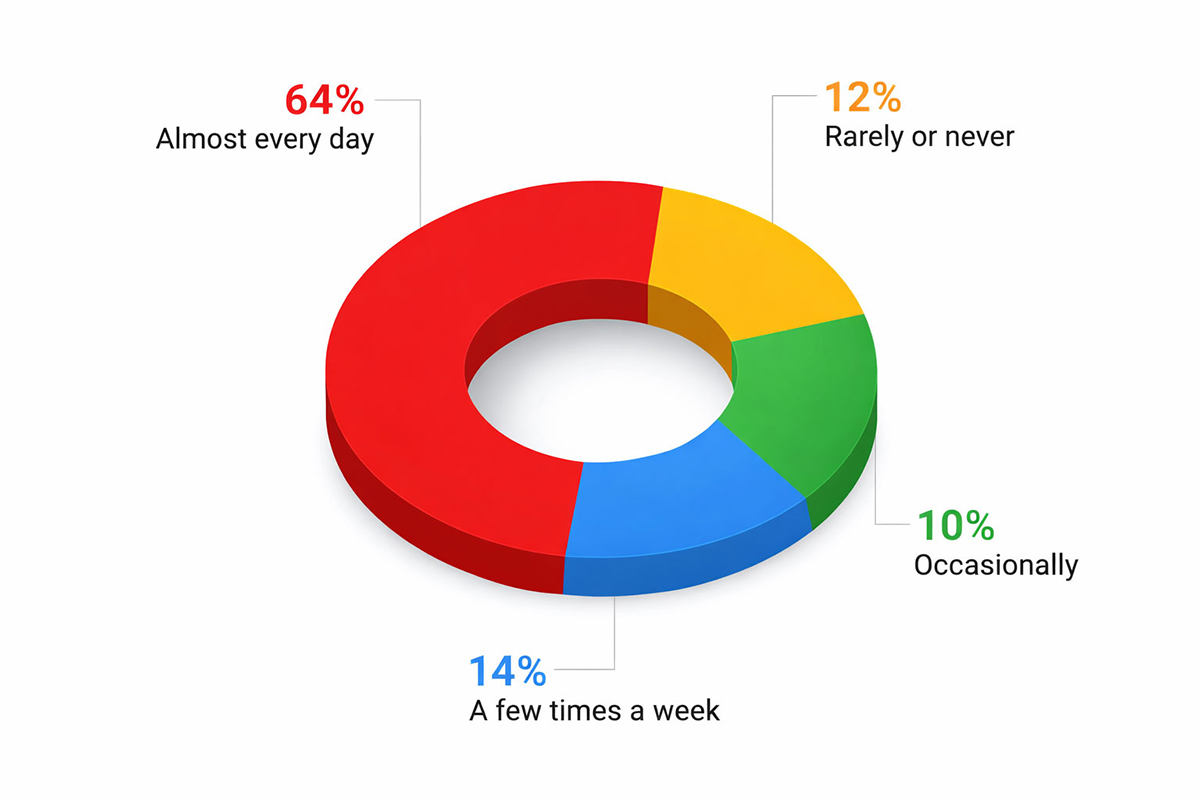
| Question: How often are you expected to reply to work messages after hours? |
|
|
|
|
Key Insight:
A striking 78% of respondents face after-hours work expectations at least weekly-indicating that "always-on" work culture is still deeply prevalent. |
|
|
|
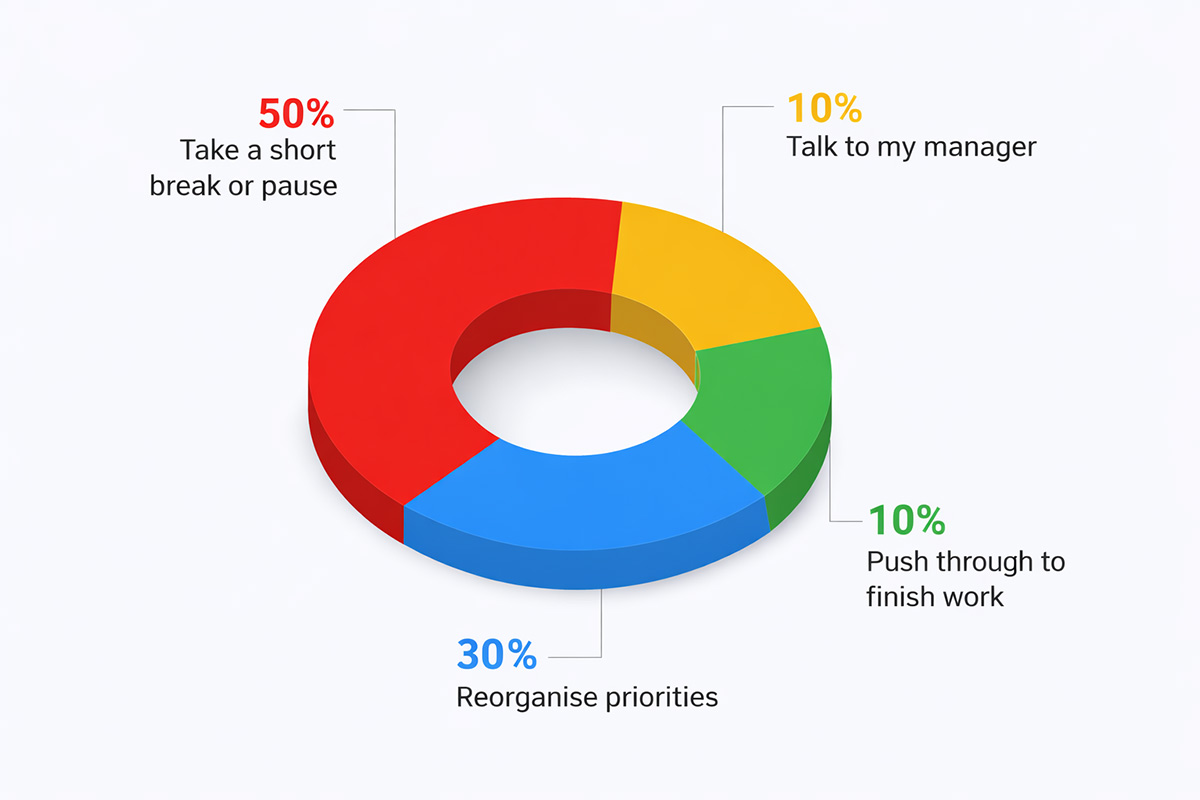
| Question: When you feel close to burnout, what do you usually do? |
|
|
|
|
Key Insight:
Most jobseekers rely on self-managed coping strategies (80%), while only 10% seek
managerial support, highlighting a potential gap in workplace psychological safety or
communication. |
|
|
|
 |
|
|
|
| If you choose not to receive further communications unsubscribe here. |
|
|
|